


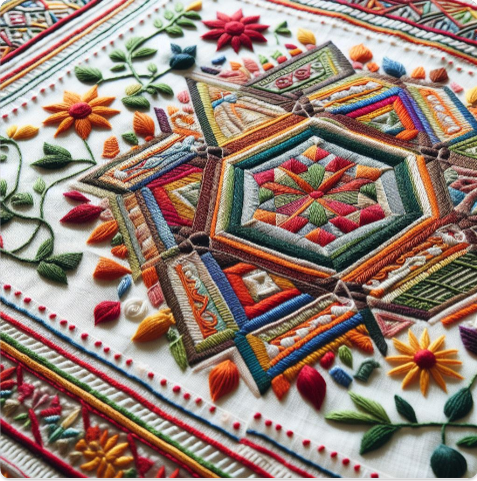

Durjani Kantha
This image beautifully showcases the vibrant and intricate art of Kantha embroidery, a traditional form of hand stitching that originated in West Bengal and Odisha, India. Known for its bold and colorful patterns, Kantha work is a form of narrative art that tells stories through its designs. The embroidery in the image is a riot of colors, with a multitude of threads forming an array of patterns, including flowers, animals, and geometric shapes. Each stitch is a testament to the patience and skill of the artisan, with every thread meticulously woven into the fabric to create a tapestry of visual delight. In addition to the threads, the artwork is embellished with small mirrors, beads, and sequins, adding texture and sparkle to the piece. The mirrors are a traditional element in Indian embroidery, believed to ward off the evil eye and bring good luck. Kantha embroidery is more than just decorative art; it is a symbol of creativity, storytelling, and the resourcefulness of Indian women, often made from repurposed fabrics to create something new and beautiful. The featured embroidery would be a splendid addition to your India-focused sourcing and procurement portal, offering a piece of Indian heritage and the timeless beauty of handcrafted textiles.


Educational Toys
The image captures the joy and vibrancy of Channapatna toys, a traditional craft from the town of Channapatna in Karnataka, India. These toys are celebrated for their eco-friendliness, being made from the wood of the Wrightia tinctoria tree, and are characterized by their bright colors and high gloss finish, which are achieved through the use of natural dyes and lacquer. In the collection, we see a delightful array of handcrafted toys, including a whimsical train, elegant dolls dressed in traditional Indian attire, and a variety of spinning tops and stackable rings, all designed to inspire creativity and imagination in children. The craftsmanship is evident in the smooth curves of the wood, the intricate painting details, and the charming expressions on each toy’s face. The Channapatna toy-making process is a skilled tradition protected as a geographical indication under the World Trade Organization, passed down from one generation to another, and involves the dedication and skill of local artisans. These toys are not just playthings; they are a piece of India’s cultural heritage, representing a time-honored craft that brings together sustainable practices, artistry, and the joy of play. Featuring these Channapatna toys on your India-focused sourcing and procurement portal would not only support the local artisan community but also introduce customers worldwide to the unique charm and cultural stories embedded in these playful creations.

Figurines and Sculptures
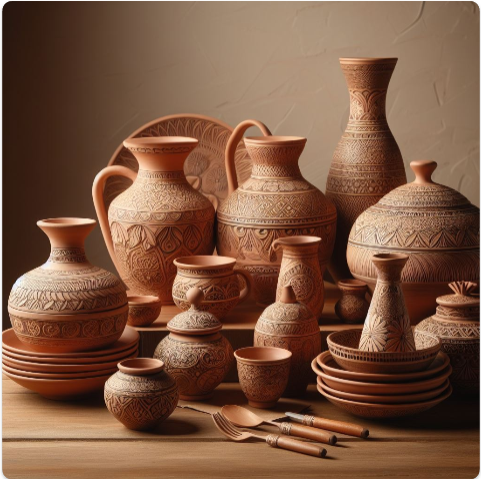
Captured in this image is a collection of Indian terracotta pottery, each piece a representation of earthy charm and traditional artistry. These pots, with their rich terracotta hue, evoke a connection to the very soil they are born from. They are shaped by the skilled hands of artisans who have inherited centuries-old techniques, turning clay into objects of both utility and beauty. The collection features a variety of forms, from wide-bodied pots with sturdy lids, perfect for storing grains or pickles, to slender pitchers and vases, designed for holding water or displaying flowers. Each piece is adorned with intricate patterns etched into the clay before firing, including motifs of flora and traditional geometric designs that are characteristic of Indian aesthetics. These pots are not merely containers; they are the keepers of tradition, their surfaces telling stories through every line and curve. The art of etching on terracotta is a meticulous process, requiring patience and a steady hand, and the results are these stunningly decorated pieces that serve as both functional items and decorative art. To be featured on your India-focused sourcing and procurement portal, this terracotta pottery collection offers a touch of Indian heritage and craftsmanship, ideal for those who appreciate the beauty of handcrafted, sustainable products with a story to tell.

Floorings and Wall Claddings
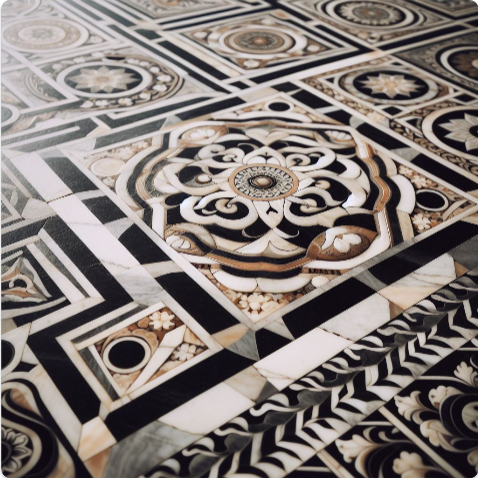
This image showcases an exquisite piece of Indian Marble Inlay work, also known as Parchin Kari, which is a highly refined form of art that originated during the Mughal era. It features a complex geometric pattern that is symmetrical and precisely crafted, demonstrating the high level of skill and artistry involved. The central focus is a large, multi-layered star-like design, composed of various inlaid stones, including mother of pearl, onyx, carnelian, and other semi-precious stones. Each segment of the pattern radiates from the center, creating a sense of movement and harmony. The meticulousness of the inlay work is evident in the fine details and the seamless integration of the different materials, creating a smooth, tactile surface. The choice of materials and the subtlety of colors highlight the natural beauty of the stones and the marble, with their inherent variations in hue and veining contributing to the uniqueness of the piece. The craftsmanship is reminiscent of the legendary inlay work found in the Taj Mahal, where this art form adorns walls, floors, and tombs, capturing the marvels of an opulent bygone era. This marble inlay artwork is more than just a decorative item; it is a legacy of India’s rich cultural history, perfect for your India-focused sourcing and procurement portal. It appeals to those who appreciate fine art and wish to incorporate a piece of Indian heritage and luxury into their homes or collections.

Flower Pots and Planters
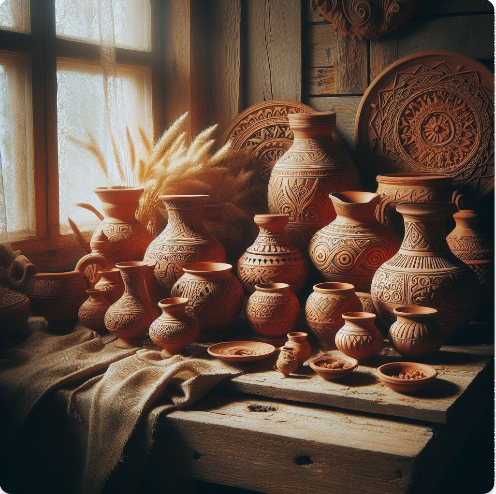
Captured in this image is a collection of Indian terracotta pottery, each piece a representation of earthy charm and traditional artistry. These pots, with their rich terracotta hue, evoke a connection to the very soil they are born from. They are shaped by the skilled hands of artisans who have inherited centuries-old techniques, turning clay into objects of both utility and beauty. The collection features a variety of forms, from wide-bodied pots with sturdy lids, perfect for storing grains or pickles, to slender pitchers and vases, designed for holding water or displaying flowers. Each piece is adorned with intricate patterns etched into the clay before firing, including motifs of flora and traditional geometric designs that are characteristic of Indian aesthetics. These pots are not merely containers; they are the keepers of tradition, their surfaces telling stories through every line and curve. The art of etching on terracotta is a meticulous process, requiring patience and a steady hand, and the results are stunningly decorated pieces that serve as both functional items and decorative art. To be featured on your India-focused sourcing and procurement portal, this terracotta pottery collection offers a touch of Indian heritage and craftsmanship, ideal for those who appreciate the beauty of handcrafted, sustainable products with a story to tell.


Ganesha Madhubani Paintings
This vibrant artwork is a quintessential Madhubani painting, a form of folk art that originates from the Mithila region of Bihar, India. Characterized by its eye-catching geometric patterns, this painting is a celebration of nature and mythology, often depicting scenes of social events and deities from ancient epics. The canvas is alive with an array of avian creatures, each bird rendered in exquisite detail, from the proud peacocks with their elaborate plumage to the more modestly adorned sparrows. The use of bright, primary colors alongside earthy tones creates a dynamic contrast that is both striking and harmoniously balanced. Every inch of the surface is meticulously detailed, leaving no space unfilled; this is symbolic of the philosophy that an abundance of detail in art will prevent evil spirits from entering the spaces. The borders are as intricate as the central figures, featuring floral motifs and abstract designs that frame the main composition. The technique used is traditional, with artists typically utilizing natural dyes and pigments to bring their drawings to life. This particular piece exemplifies the Madhubani style, with its complex patterns, thematic richness, and cultural vibrancy. It’s a perfect representation of Indian folk art to feature on your India-focused sourcing and procurement portal, offering a piece of India’s rich artistic legacy.

hai Nang Talung
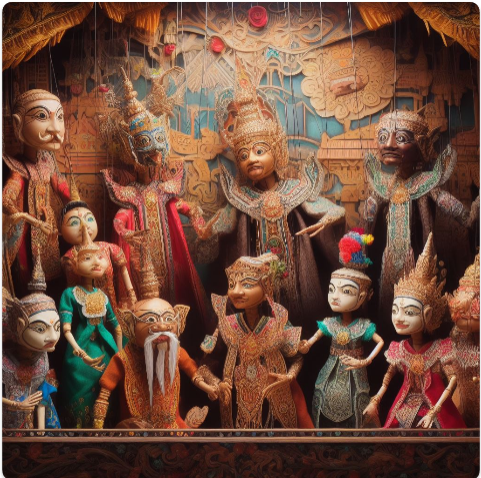
The image showcases the vibrant and captivating art of Indian leather puppetry, known as Tholu Bommalata in the southern state of Andhra Pradesh. This traditional form of puppetry involves the crafting of puppets from translucent goat leather, which is meticulously painted with bright, natural dyes, and then used in the performance of epic tales like the Ramayana and the Mahabharata. The puppets featured in the image are dressed in elaborate costumes, reflecting the regional attire and are adorned with intricate jewelry designs, indicative of their characters’ statuses. Their expressive faces are painted with fine details that bring each character to life, ready to enact their part in the ancient stories. These leather puppets are not just entertainment props; they are unique pieces of art that represent a rich cultural narrative. Each puppet is an individual masterpiece, with articulated arms and legs that allow for fluid movement during performances, which are traditionally conducted behind a backlit screen, creating a magical play of light and color. Highlighting these leather puppets on your India-focused sourcing and procurement portal would not only provide a platform for this dying art form but also give buyers around the world the chance to own a piece of India’s rich performing arts heritage. They are perfect for collectors, cultural enthusiasts, or as educational tools to spread awareness of India’s diverse cultural practices.


Home Decor Items
The image presents a magnificent example of Dhokra art, an ancient form of metal crafting that is native to the tribal regions of India. This particular piece is a beautifully crafted elephant, a creature that holds significant cultural and spiritual symbolism in India, often associated with wisdom, power, and good fortune. The Dhokra elephant was created using the lost-wax casting technique, a method that has remained unchanged for over 4,000 years. The process involves a meticulous procedure where a model of the elephant is first made in beeswax, and then covered in a clay mold. Once the mold is heated, the wax melts away, leaving a hollow cavity into which molten brass is poured, forming the final metal sculpture. This elephant is characterized by its intricate patterns and fine details, which are hallmarks of Dhokra artistry. The patterns on the elephant’s body are inspired by traditional motifs and each line, dot, and swirl is imbued with meaning. The texture is rich and varied, with a patina that gives the piece an antique allure, suggesting a story that extends through the ages. As a product on your India-focused sourcing and procurement portal, this Dhokra elephant would appeal to collectors and admirers of traditional art, as well as those looking to add a touch of time-honored elegance to their home decor. It represents the fusion of art, history, and culture, and owning such a piece is akin to preserving a fragment of India’s rich artistic heritage.

Indonesian Wayang Kulit
The image showcases the vibrant and captivating art of Indian leather puppetry, known as Tholu Bommalata in the southern state of Andhra Pradesh. This traditional form of puppetry involves the crafting of puppets from translucent goat leather, which is meticulously painted with bright, natural dyes, and then used in the performance of epic tales like the Ramayana and the Mahabharata. The puppets featured in the image are dressed in elaborate costumes, reflecting the regional attire, and are adorned with intricate jewelry designs, indicative of their characters’ statuses. Their expressive faces are painted with fine details that bring each character to life, ready to enact their part in the ancient stories. These leather puppets are not just entertainment props; they are unique pieces of art that represent a rich cultural narrative. Each puppet is an individual masterpiece, with articulated arms and legs that allow for fluid movement during performances, which are traditionally conducted behind a backlit screen, creating a magical play of light and color. Highlighting these leather puppets on your India-focused sourcing and procurement portal would not only provide a platform for this dying art form but also give buyers around the world the chance to own a piece of India’s rich performing arts heritage. They are perfect for collectors, cultural enthusiasts, or as educational tools to spread awareness of India’s diverse cultural practices.

Jagannath Pattachitra
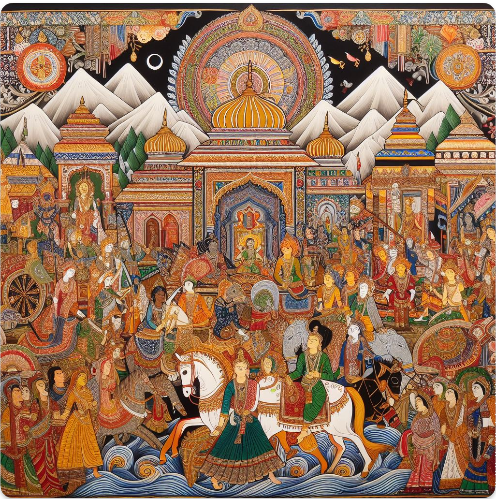
The image is a vibrant Pattachitra painting, a classical art form from Odisha, India. This circular canvas teems with a myriad of details, depicting scenes from Indian mythology, primarily inspired by epics like the Mahabharata and the Ramayana. At the core is the depiction of a divine chariot, carrying a deity, possibly Lord Krishna, revered in Hindu mythology as a master charioteer. This central image is surrounded by a procession of figures in traditional Indian attire, each character rendered in bright, bold colors and distinct, clear outlines that are characteristic of the Pattachitra style. The background is filled with intricate floral and faunal patterns, trees bearing fruit, and birds in mid-flight, symbolizing the interconnectedness of life. The circular form of the painting represents the eternal nature of the universe and the cyclical nature of life, a concept deeply rooted in Indian philosophy. The use of natural colors, derived from minerals and vegetables, gives the painting its distinctive earthy and organic palette, while the fine brushwork illustrates the high level of dexterity and patience required to create such a piece. This Pattachitra painting is not just an art piece; it’s a narrative canvas, bringing ancient stories and traditions to life. It would be an exceptional addition to your India-focused sourcing and procurement portal, ideal for those who appreciate the rich tapestry of Indian culture and the meticulous craftsmanship of its artists.


Jewelry Boxes and Trinket Trays
This image showcases an exquisite piece of Indian Marble Inlay work, also known as Parchin Kari, which is a highly refined form of art that originated during the Mughal era. It features a complex geometric pattern that is symmetrical and precisely crafted, demonstrating the high level of skill and artistry involved. The central focus is a large, multi-layered star-like design, composed of various inlaid stones, including mother of pearl, onyx, carnelian, and other semi-precious stones. Each segment of the pattern radiates from the center, creating a sense of movement and harmony. The meticulousness of the inlay work is evident in the fine details and the seamless integration of the different materials, creating a smooth, tactile surface. The choice of materials and the subtlety of colors highlight the natural beauty of the stones and the marble, with their inherent variations in hue and veining contributing to the uniqueness of the piece. The craftsmanship is reminiscent of the legendary inlay work found in the Taj Mahal, where this art form adorns walls, floors, and tombs, capturing the marvels of an opulent bygone era. This marble inlay artwork is more than just a decorative item; it is a legacy of India’s rich cultural history, perfect for your India-focused sourcing and procurement portal. It appeals to those who appreciate fine art and wish to incorporate a piece of Indian heritage and luxury into their homes or collections.

Karrupur Style
This image is a magnificent illustration of Kalamkari art, an ancient Indian art form that predominantly features hand-painting or block-printing on cloth. This particular Kalamkari artwork is a riot of colors, bringing to life motifs that are deeply entrenched in Indian mythology and nature. At the center stage of this tapestry are a majestic elephant and a resplendent peacock, symbols of strength, grace, and beauty in Indian culture. They are depicted in an intricate fashion with painstaking attention to detail, from the delicate feathers of the peacock to the ornate caparison of the elephant. The flora surrounding these creatures is equally detailed, with an array of flowers and leaves blooming across the canvas, creating a lush garden effect. The use of vibrant colors and the precision of the lines are characteristic of Kalamkari, which requires an exceptional level of skill given the complexity and the fine brushwork involved. The artwork is a celebration of life and storytelling through textile, with every brush stroke and color choice revealing a story or symbolizing a cultural belief. The traditional dyeing process, involving natural dyes extracted from plants, further adds to the authenticity and eco-friendly nature of the piece. This Kalamkari painting would be an extraordinary addition to your India-focused sourcing and procurement portal, embodying the rich heritage and skilled craftsmanship of Indian artisans. It appeals to those who value the amalgamation of art, culture, and sustainable practices.


Krishna-Radha Madhubani Paintings
This vibrant artwork is a quintessential Madhubani painting, a form of folk art that originates from the Mithila region of Bihar, India. Characterized by its eye-catching geometric patterns, this painting is a celebration of nature and mythology, often depicting scenes of social events and deities from ancient epics. The canvas is alive with an array of avian creatures, each bird rendered in exquisite detail, from the proud peacocks with their elaborate plumage to the more modestly adorned sparrows. The use of bright, primary colors alongside earthy tones creates a dynamic contrast that is both striking and harmoniously balanced. Every inch of the surface is meticulously detailed, leaving no space unfilled; this is symbolic of the philosophy that an abundance of detail in art will prevent evil spirits from entering the spaces. The borders are as intricate as the central figures, featuring floral motifs and abstract designs that frame the main composition. The technique used is traditional, with artists typically utilizing natural dyes and pigments to bring their drawings to life. This particular piece exemplifies the Madhubani style, with its complex patterns, thematic richness, and cultural vibrancy. It’s a perfect representation of Indian folk art to feature on your India-focused sourcing and procurement portal, offering a piece of India’s rich artistic legacy.

Lamps and Candle Holders
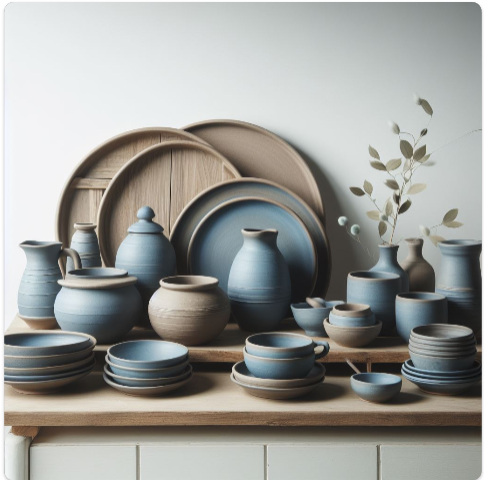
This image features an exquisite piece of Blue Pottery, a traditional Indian craft renowned for its unique color and intricate designs. Originating from the royal city of Jaipur, this pottery is known for its eye-catching Persian blue dye, which gives it a distinct and vibrant appearance. The pot in the image is a masterpiece of design, featuring a deep cobalt blue glaze that serves as the canvas for the meticulously hand-painted motifs. The floral patterns, a hallmark of Blue Pottery, are embossed in white, adding depth and elegance to the piece. Each petal and leaf is crafted with precision, showcasing the artisans’ dedication to detail and their mastery over the craft. The swirling lines and detailed borders are reminiscent of the Mughal gardens that inspired this art form. The pot’s silhouette is traditional, with a rounded body that gently tapers towards the top, making it a timeless piece of decor that can complement both contemporary and traditional settings. This Blue Pottery pot is not just a vessel; it is a piece of art that carries the rich cultural heritage of India. It would make a significant addition to your India-focused sourcing and procurement portal, offering a blend of beauty, craftsmanship, and the story of Jaipur’s famed Blue Pottery tradition.

Machilipatnam Style
This image is a magnificent illustration of Kalamkari art, an ancient Indian art form that predominantly features hand-painting or block-printing on cloth. This particular Kalamkari artwork is a riot of colors, bringing to life motifs that are deeply entrenched in Indian mythology and nature. At the center stage of this tapestry are a majestic elephant and a resplendent peacock, symbols of strength, grace, and beauty in Indian culture. They are depicted in an intricate fashion with painstaking attention to detail, from the delicate feathers of the peacock to the ornate caparison of the elephant. The flora surrounding these creatures is equally detailed, with an array of flowers and leaves blooming across the canvas, creating a lush garden effect. The use of vibrant colors and the precision of the lines are characteristic of Kalamkari, which requires an exceptional level of skill given the complexity and the fine brushwork involved. The artwork is a celebration of life and storytelling through textile, with every brush stroke and color choice revealing a story or symbolizing a cultural belief. The traditional dyeing process, involving natural dyes extracted from plants, further adds to the authenticity and eco-friendly nature of the piece. This Kalamkari painting would be an extraordinary addition to your India-focused sourcing and procurement portal, embodying the rich heritage and skilled craftsmanship of Indian artisans. It appeals to those who value the amalgamation of art, culture, and sustainable practices.

Malaysian Wayang Kulit
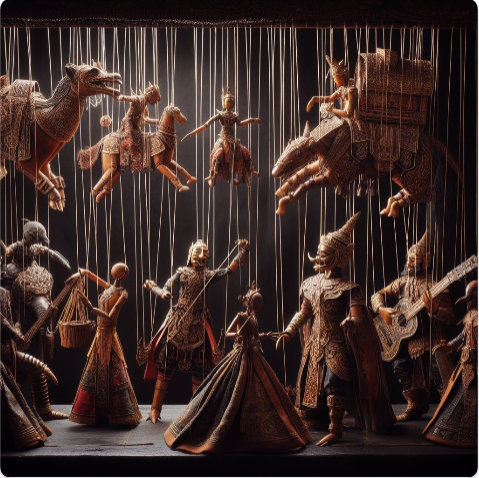
The image showcases the vibrant and captivating art of Indian leather puppetry, known as Tholu Bommalata in the southern state of Andhra Pradesh. This traditional form of puppetry involves the crafting of puppets from translucent goat leather, which is meticulously painted with bright, natural dyes, and then used in the performance of epic tales like the Ramayana and the Mahabharata. The puppets featured in the image are dressed in elaborate costumes, reflecting the regional attire and are adorned with intricate jewelry designs, indicative of their characters’ statuses. Their expressive faces are painted with fine details that bring each character to life, ready to enact their part in the ancient stories. These leather puppets are not just entertainment props; they are unique pieces of art that represent a rich cultural narrative. Each puppet is an individual masterpiece, with articulated arms and legs that allow for fluid movement during performances, which are traditionally conducted behind a backlit screen, creating a magical play of light and color. Highlighting these leather puppets on your India-focused sourcing and procurement portal would not only provide a platform for this dying art form but also give buyers around the world the chance to own a piece of India’s rich performing arts heritage. They are perfect for collectors, cultural enthusiasts, or as educational tools to spread awareness of India’s diverse cultural practices.


Masks
This image is a splendid exhibition of Papier Mache Items, a celebrated craft that showcases the artistic expression and cultural vibrancy of India. Originating in Kashmir, this art form involves the use of paper pulp to create a variety of decorative objects, which are then painted and varnished to a high gloss. The collection displayed before us is an array of masks and figurines, each piece intricately hand-painted with traditional Kashmiri motifs, such as the Chinar leaf, floral patterns, and various cultural symbols. The masks, ranging from representations of animals to mythological beings, are vividly adorned, with each facial feature and expression carefully crafted to convey a story or a character. The figurines include animals and mythical creatures, each with its unique stance and personality, showcasing the versatility of Papier-mâché as a medium. The objects are not only decorative but also embody the rich heritage of the region, with patterns and designs that have been passed down through generations, often inspired by Persian art, a testament to the historical trade routes and cultural exchange. Featuring these Papier Mache items on your India-focused sourcing and procurement portal would not only support the artisans behind these creations but also bring a piece of Indian tradition to a global audience. These items are suited for an array of settings, from sophisticated home decor to educational tools for cultural history, offering a blend of aesthetic pleasure and cultural storytelling.


Mirror Appliqué
The image you’ve provided appears to capture the essence of intricate henna art or possibly a digitally created representation that emulates the detailed patterns typical of henna designs. This art, often found gracing the hands and feet of women during celebrations and weddings across India, is renowned for its delicate, lace-like patterns and symbolism. In this portrayal, the henna-inspired design is not adorning skin but is rather presented as if it’s a reflection in an ornate mirror, suggesting a blend of traditional art with contemporary digital graphics. The patterns are reminiscent of mandalas, with floral motifs and paisley forms, which in Indian culture, symbolize joy and happiness. The precision of the lines and the balanced composition reflect the steady hand and creative vision required for such artwork. This fusion of traditional art and modern presentation would make a compelling addition to your India-focused sourcing and procurement portal, especially if it’s part of a larger category showcasing digital artistry influenced by Indian culture. It appeals to an audience that appreciates the beauty of traditional patterns reimagined in a contemporary format, suitable for a wide range of applications from wall art to fabric designs.

Mirror Embroidery
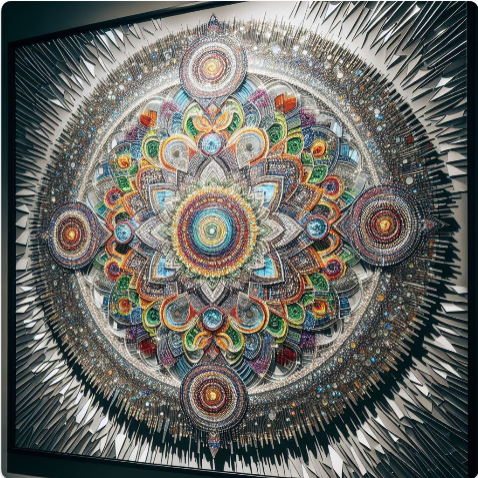
The image you’ve provided appears to capture the essence of intricate henna art or possibly a digitally created representation that emulates the detailed patterns typical of henna designs. This art, often found gracing the hands and feet of women during celebrations and weddings across India, is renowned for its delicate, lace-like patterns and symbolism. In this portrayal, the henna-inspired design is not adorning skin but is rather presented as if it’s a reflection in an ornate mirror, suggesting a blend of traditional art with contemporary digital graphics. The patterns are reminiscent of mandalas, with floral motifs and paisley forms, which in Indian culture, symbolize joy and happiness. The precision of the lines and the balanced composition reflect the steady hand and creative vision required for such artwork. This fusion of traditional art and modern presentation would make a compelling addition to your India-focused sourcing and procurement portal, especially if it’s part of a larger category showcasing digital artistry influenced by Indian culture. It appeals to an audience that appreciates the beauty of traditional patterns reimagined in a contemporary format, suitable for a wide range of applications from wall art to fabric designs.

Mughal-Inspired Miniatures
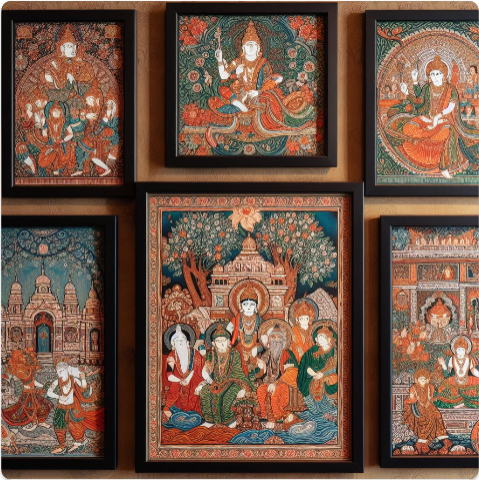
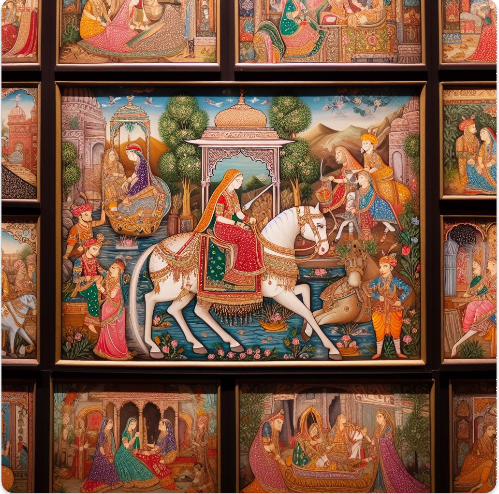
The image is an exquisite collection of Rajasthani Miniature Paintings, each framing a window into the vibrant culture and regal history of Rajasthan, India. These paintings are renowned for their intricate detail, vivid colors, and historical themes that capture the essence of Rajasthani life and legends. Each painting is a narrative, depicted with precision and an eye for detail which is the hallmark of the miniature art form. The artists have employed traditional techniques passed down through generations, using fine brushes and natural pigments to create these detailed images on small scales. The subjects vary from courtly scenes of royal processions, opulent palaces, and grandiose battles to more intimate portrayals of everyday life, romantic encounters, and cultural festivities. The architecture of Rajasthan, with its ornate jharokhas and grand forts, forms the backdrop of many pieces, while others focus on the interaction between characters, dressed in elaborate attire, indicative of their status and the period. The colors are typically bold and expressive, with a palette that includes deep blues, bright reds, and lush greens, often highlighted with gold and silver, making each painting not just a visual delight but a piece of history and art that tells a story. These miniature paintings are a testament to the rich artistic heritage of Rajasthan and would make for a culturally rich and aesthetically appealing addition to your India-focused sourcing and procurement portal, perfect for connoisseurs and collectors of Indian art.